
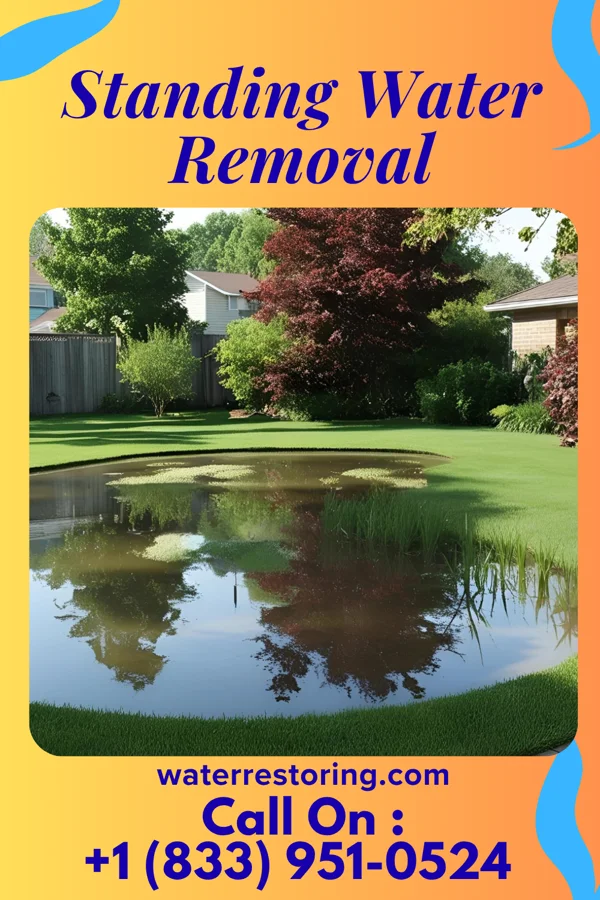
What Makes Mountain Plains Standing-Water-Prone
Living in Mountain Plains means dealing with In Mountain Plains, South Dakota, the primary water damage cause is often due to sudden spring thaws and heavy rainfall events that overwhelm local drainage systems, particularly in rural areas near Spearfish and North Spearfish. Additionally, livestock operations in Central City and surrounding neighborhoods can lead to accidental water spills and leaks. sooner or later. A close second is Secondary causes include burst pipes in older homes, plumbing failures in rural properties, and seasonal flooding from the Black Hills region. These events are common in the area's colder climate and can lead to significant water intrusion in both residential and agricultural buildings.. The good news: water damage is fully recoverable when you catch it fast and bring in certified technicians.
Mountain Plains experiences harsh winters and sudden temperature fluctuations, increasing the risk of frozen and thawed pipes. The region's elevation and proximity to the Black Hills also contribute to sudden weather changes that can lead to flash flooding and water damage.
Most standing water removal calls in Mountain Plains come from In Mountain Plains, South Dakota, the primary water damage cause is often due to sudden spring thaws and heavy rainfall events that overwhelm local drainage systems, particularly in rural areas near Spearfish and North Spearfish. Additionally, livestock operations in Central City and surrounding neighborhoods can lead to accidental water spills and leaks.. Running a close second is Secondary causes include burst pipes in older homes, plumbing failures in rural properties, and seasonal flooding from the Black Hills region. These events are common in the area's colder climate and can lead to significant water intrusion in both residential and agricultural buildings.. Local mold risk: Due to the region's cold climate and potential for prolonged water exposure, mold can develop rapidly in Mountain Plains, especially in poorly ventilated rural homes. Quick action is crucial to prevent long-term structural and health issues.